
About IP Phone
Understanding IP Phones: Features, Types, Applications, and Benefits
In today’s digital age, communication tools have evolved significantly, and IP phones stand out as a cornerstone of modern voice and multimedia communication. Also known as VoIP (Voice over Internet Protocol) phones, these devices leverage internet connectivity to transmit voice, video, and data, replacing traditional analog telephony systems.
What is an IP Phone?
An IP phone is a device that converts voice signals into digital data packets and transmits them over the internet or a local network. Unlike traditional landline phones that rely on copper wires and circuit-switched networks, IP phones use packet-switched networks, enabling richer features and integration with other digital systems.
Key Features of IP Phones
-
Voice Calls: High-quality audio communication over the internet.
-
Video Calls: Many IP phones support video conferencing with built-in cameras.
-
Instant Messaging: Integrated chat features for real-time text communication.
-
Call Management: Features like call forwarding, hold, transfer, voicemail, and caller ID.
-
Multi-Device Integration: Sync with computers, smartphones, or CRM systems.
-
Conference Calling: Host multi-party audio/video meetings.
-
Security: Encryption protocols (e.g., TLS, SRTP) to secure communications.
Types of IP Phones
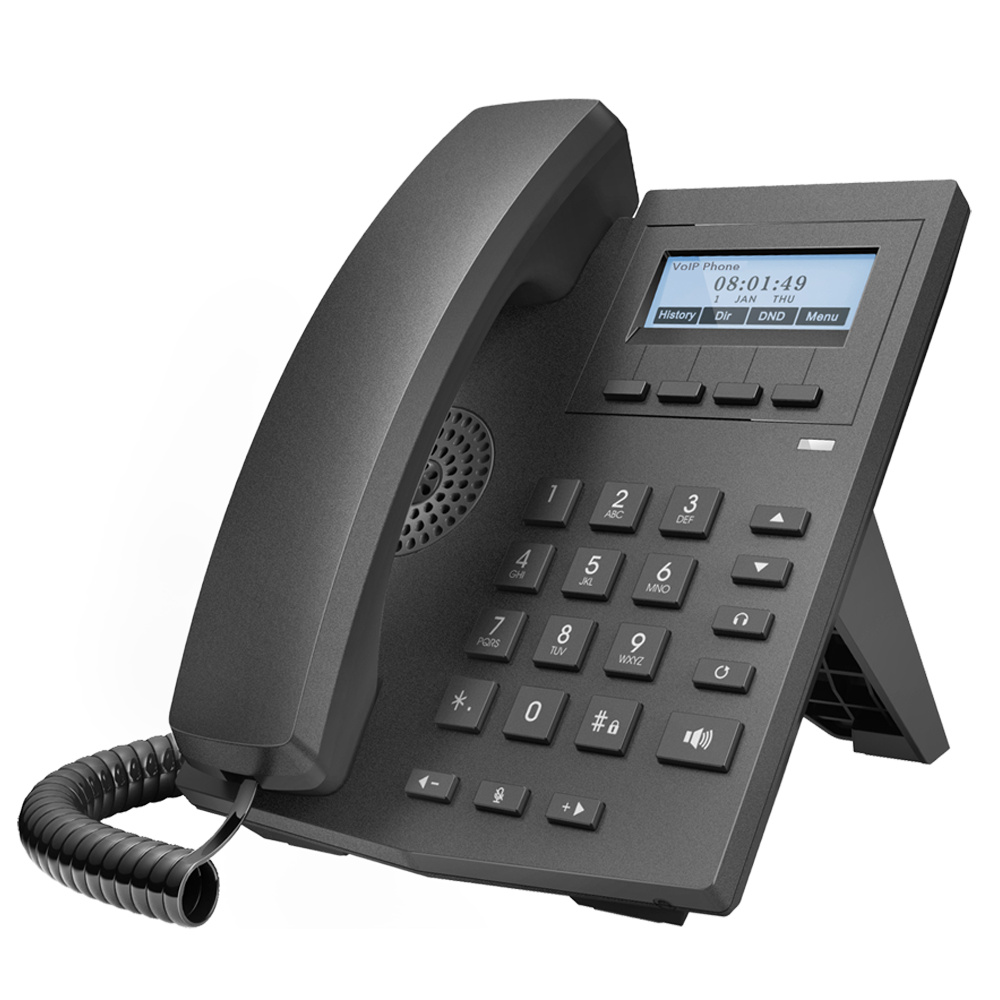
1.X1P IP Phone:
- 2 SIP Lines
- Local 3-way Conference
- Fast Ethernet—10/100Mbps Ethernet with POE enabled
- Compatible with major platforms: 3CX, Asterisk, Broadsoft, Elastix, Zycoo, etc.
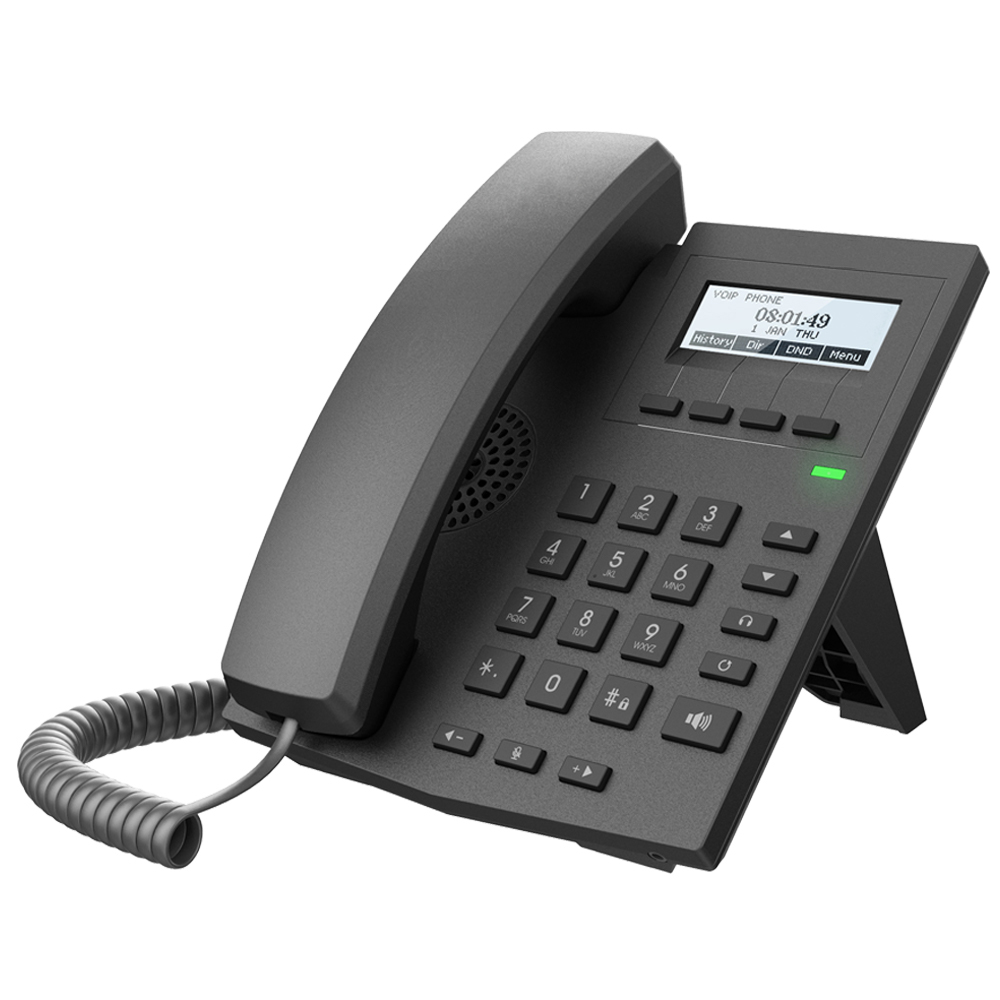
- 2 SIP lines, 3-way conference
- Opus voice: can handle a variety of audio applications, including IP voice,
multiparty conference, etc - Built-in 2.4GHz WiFi, supporting wireless network connection.
- Fast Ethernet - 10/100Mbps Ethernet
- Compatible with major platforms: Asterisk, Broadsoft, 3CX, Metaswitch, Elastix, Avaya etc.
- 12 SIP lines, SIP hotspot, 1000 phonebook, caller ID, call hold, call transfer
- HD audio on speakerphone and handset
- Support 6-party local conference
- 8 DSS keys on the main display (7 DSS keys and 1 page key), up to 35 DSS keys (7 two-colored physical keys for up to 5 page)
- Built-in Bluetooth 4.2, support bluetooth headset
- Support EHS wireless headset, Wi-Fi dongle
- Dual Gigabit ports, integrated PoE
- Stand with 2 adjustable angles of 45 and 50 degrees

Where Are IP Phones Used?
-
Businesses: For internal and external communication, especially in offices with remote teams.
-
Call Centers: Integrated with CRM systems to manage high call volumes efficiently.
-
Healthcare: Secure communication between doctors and patients via HIPAA-compliant systems.
-
Education: Virtual classrooms and administrative coordination.
-
Home Offices: Affordable, feature-rich communication for freelancers and remote workers.
Benefits of Using IP Phones
-
Cost Savings:
-
Eliminates traditional phone line fees; international calls are cheaper.
-
-
Flexibility:
-
Work from anywhere with internet access.
-
-
Scalability:
-
Easily add or remove users without physical infrastructure changes.
-
-
Advanced Features:
-
Integrate with email, CRM, and collaboration tools (e.g., Slack, Salesforce).
-
-
Enhanced Audio Quality:
-
HD voice and noise-canceling technology improve clarity.
-
-
Eco-Friendly:
-
Reduces hardware waste compared to traditional systems.
-
Conclusion
IP phones revolutionize communication by merging voice, video, and data into a single platform. Whether for businesses seeking cost-effective solutions, educators conducting virtual classes, or healthcare providers ensuring secure patient interactions, IP phones offer versatility and efficiency. By following simple setup steps and leveraging their advanced features, users can streamline workflows, reduce costs, and stay connected in an increasingly digital world. As internet infrastructure continues to improve, IP phones will remain a vital tool for global communication.

